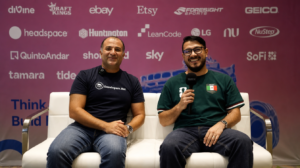
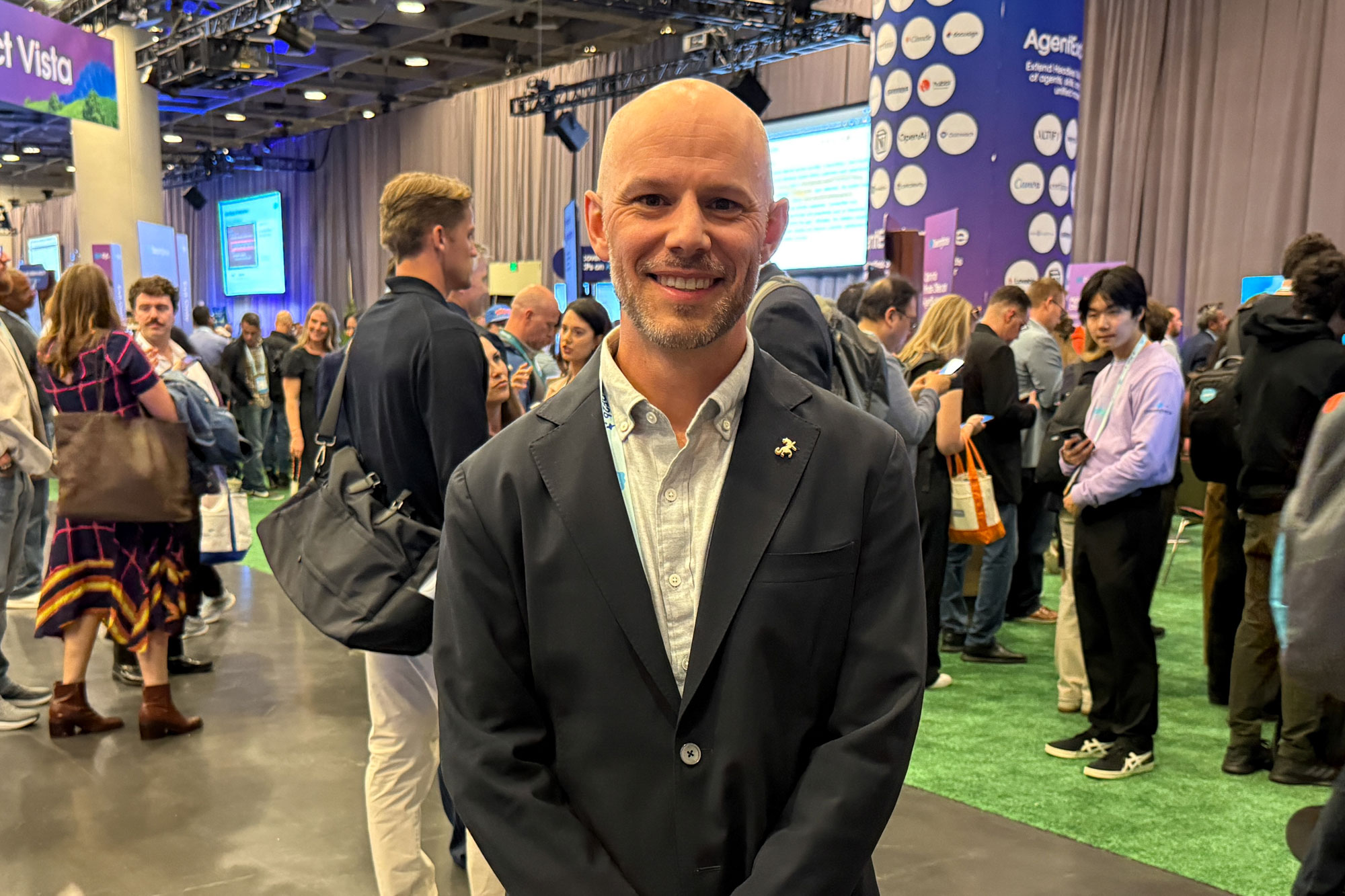
Greg Symons, Co-Founder, President and COO of Asymbl, is helping staffing and recruiting companies rethink how work gets divided between people and technology. Asymbl calls this “workforce orchestration,” bringing human workers and digital workers together with the goal of allowing people to spend more time on work that actually requires them.
Developers.Net Co-Founder Douglas Loyo met up with Symons at Dreamforce 2026 in San Francisco following a session where Symons shared how Asymbl is using AI and digital workers within recruiting. During the session, Symons highlighted how the company deployed a digital recruiter to work through 17,000 resumes, giving hiring teams more time to focus on human relationships.
Recruiting has always been about people. But as the number of applicants grow and recruiters spend more of their day managing emails, scheduling interviews, reviewing resumes and moving candidates through systems, how much of their time is actually spent recruiting?
“We really exist to help staffing and recruiting companies run their business successfully,” Symons told Loyo.
But when the conversation turned to AI, Symons made an important distinction. The opportunity isn’t necessarily to automate the recruiter. It’s to look at everything surrounding the recruiter that technology could handle instead.
“Recruiters are very rarely doing recruiting,” Symons said. “And so if you think about what AI can do in the lens of helping do all the other things so that they can do the recruiting, that to me is a big win.”
Where AI Can Help
Loyo connected Symons’ point to Developers.Net’s own recruiting process. When the company opens positions to its talent network across Latin America, a single opportunity can attract thousands of applicants. That creates an opportunity for technology to help recruiters identify qualified candidates and manage the early stages of engagement, while allowing the recruiting team to spend more of its time directly with people.
For Symons, that is where AI becomes particularly useful. Not necessarily by taking over the recruiting process, but by supporting the work happening around it.
Symons sees a range of ways technology can support recruiters. AI could help communicate with candidates, summarize conversations or surface information that deserves attention. In other cases, a traditional workflow may be all that’s needed to keep things moving through the recruiting process.
“If it’s AI, great. If it’s compute, great. If it’s workflow, awesome,” he said. “But if you can show up each day and have meetings already scheduled, and have human conversations, and have an opportunity to have phone calls with people who are maybe more likely to say yes, it’s just better.”
Recruiting Still Depends on Trust
There are limits to how far Symons believes automation can go, particularly in an industry built around people making decisions about their careers.
“The industry itself is deeply human,” Symons said.
People often come to recruiters at a vulnerable point when they’re trying to find a job. Symons believes recruiters need to be able to build trust with them, even as AI becomes more involved in how candidates are identified and moved through the hiring process.
AI could help engage candidates at the right time, connect them with jobs they may be qualified for and help them better prepare for interviews. But Symons doesn’t see that necessarily leading to fully autonomous staffing services anytime soon.
“People wanna work with humans still,” he said. “Very much so.”
What Happens When Recruiters Get That Time Back?
During Symons’ Dreamforce session, Loyo said one number caught his attention. Recruiters were saving 21 hours per week.
Getting those hours back creates more opportunities for recruiters to focus on work where their time and experience provide the most value.
“If we can give time back to our humans, they should be able to do more meaningful work,” Symons said.
He pointed to more time engaging with customers and more time developing and thinking about products as examples. Internally, Symons said Asymbl looks at measures such as revenue per employee and profit per worker, with a worker potentially being either human or digital.
Loyo brought the conversation back to a common part of a recruiter’s day. Getting an interview on the calendar can require multiple emails and follow-ups before the conversation ever happens.
Technology can take on some of that work and help get qualified candidates onto a recruiter’s calendar, giving the recruiter more time for the conversation itself.