
Lessons from a conversation with Dr. Tracy Boyd at SpaceCom 2026
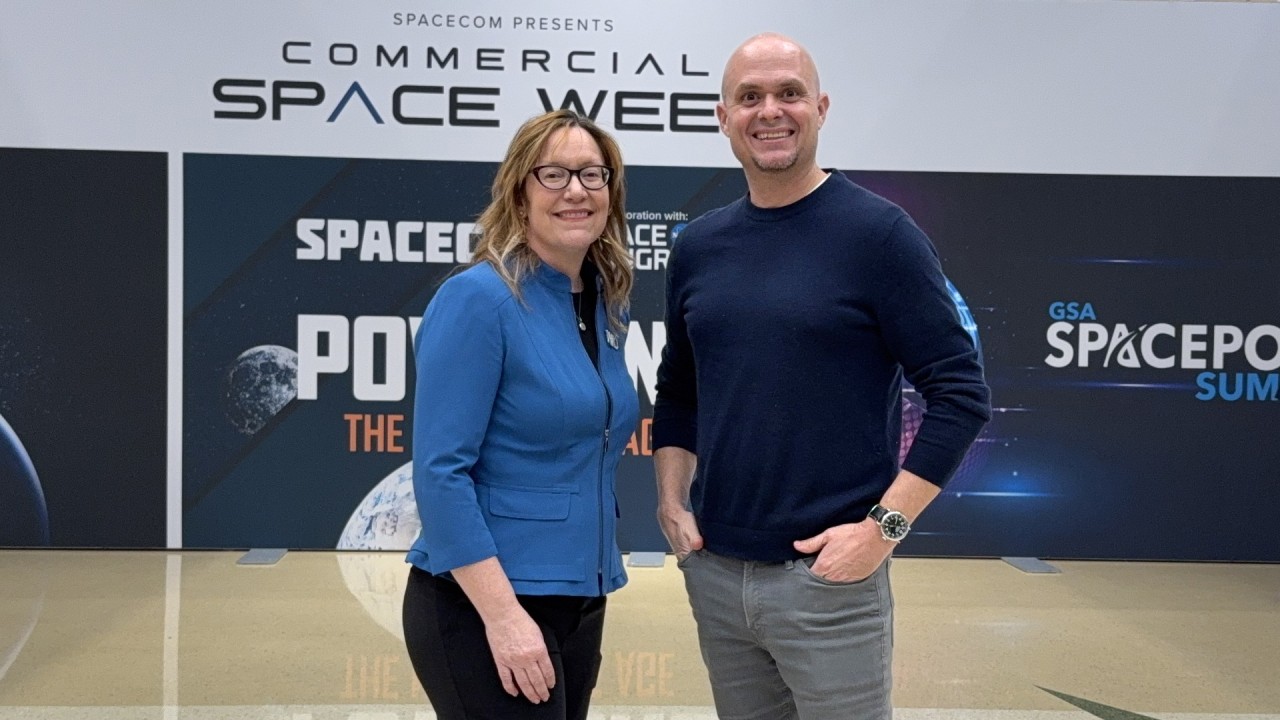
At SpaceCom 2026 in Orlando, conversations centered around rockets, commercialization, and the rapidly expanding global space economy. A space economy that reached $613 billion in 2024, and is set to reach more than a trillion dollars in less than 10 years.

At the event I caught up with Dr. Tracy Boyd, Founder of Aligned Growth Solutions and a longtime leader in technology and defense innovation. Our conversation quickly shifted to a topic affecting nearly every modern company: managing remote teams.
As more organizations hire talent across states and countries, leadership is evolving. Over the last 5 years remote work has moved past experiment and has become part of how modern companies grow.

Define Productivity, Don’t Assume It
One of the biggest mistakes leaders make is measuring productivity by presence instead of outcomes.
In an office, someone sitting at their desk all day looks productive. In remote work, that visual cue disappears, forcing leaders to clarify expectations.
“It’s so important to understand what the definition of success or productivity really is when you lead a remote team,” Boyd explained. “Then you can have specific numbers and metrics so you know who your high performers really are.”
When expectations are clear and measurable, trust grows and performance often improves.
Motivation Doesn’t Go Remote
Distance doesn’t remove the need for connection. If anything, it makes it more important.
Leaders who succeed with remote teams invest time in understanding who their people are beyond the task.
“Connection’s really important, whether you’re in person or not,” Boyd said. “It’s something you have to be really conscious of with remote teams.”
Simple actions such as checking in, recognizing wins, understanding career goals and remembering that behind every Slack message or Zoom call is a real person.
Communication Style Matters More Than Ever
Another key insight Boyd shared was how communication styles impact remote collaboration.
Different people process information differently. Engineers may want concise, direct communication. Others may prefer context and conversation.
“If you’re talking to a CEO, they want bullets. Engineers often want short and to the point. Others might appreciate more context. Understanding personality types helps you communicate more effectively.”
For companies hiring globally, having a good remote strategy also opens doors to incredible talent pools beyond local markets, including fast-growing tech communities across Latin America and beyond.
Leadership Without Borders
What stood out to me the most about our conversation was Boyd’s consistent focus on people.
Technology connects teams. Leadership connects humans.
And for leaders building global teams today, success comes from understanding both.