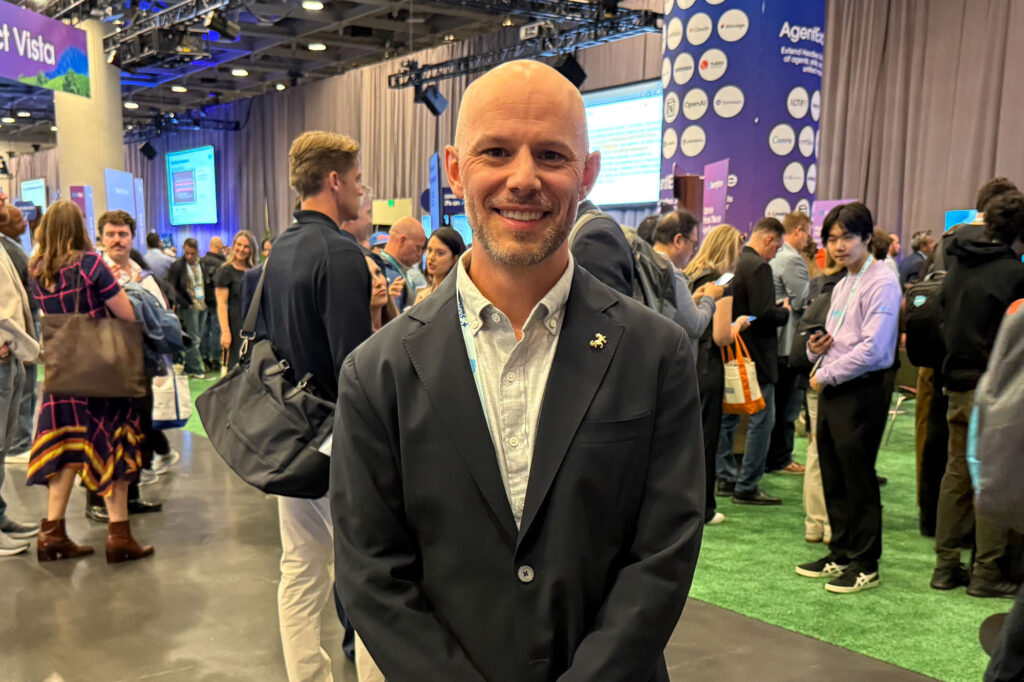

Artificial intelligence has become the centerpiece of countless company pitches, making it increasingly difficult for businesses to distinguish themselves from competitors. Just go to any tech conference and it’s the number one thing that everyone is talking about. For Jordan Millette, founder of Bay Oaks Consulting in San Francisco, that’s exactly where companies are getting it wrong.
Millette helps startups and growing technology companies develop go-to-market strategies, build sales organizations and connect with enterprise customers. Working in the Bay Area has given her a front row seat to the rapid rise of AI, and it’s shown her that technology alone doesn’t create lasting business relationships.
Instead, she has watched San Francisco’s startup ecosystem shift away from broad networking and flashy messaging toward smaller, trusted communities where meaningful relationships drive opportunities.
“I’ve been invited to events that are invitation only. They are not publicly advertised events,” Millette said. “People are hosting dinner parties at their home. People are forming community alliances… It’s very important to build a tribe in what you do.”
That perspective has shaped how she advises her clients, especially those competing in crowded AI markets.
“AI is an enabling technology. It is not a market position.”
Simply telling customers your product uses artificial intelligence is no longer enough. Buyers have grown accustomed to hearing every company claim AI as its differentiator.
Instead, Millette believes companies must answer a much simpler question:
“What problem are you going to help them solve?”
Start With the Problem
According to Millette, companies spend far too much time explaining features and not nearly enough time communicating outcomes.
“Customers need to clearly understand what problem you’re solving, and you need to communicate that in a way that resonates with your audience.”
Rather than leading with technical capabilities, businesses should focus on the customer’s challenge and explain how their product improves that customer’s life or business.
Resonance Comes Before Trust
Once a company’s message resonates with its audience, Millette says the next objective is earning trust.
“You then must earn the trust of that customer.”
That trust is built through authenticity, and the consistency of demonstrating genuine value over time.
Turn Attention Into Adoption
Once an organization builds trust, Millette says, it’s then time to focus on adoption.
“Following earning that trust, the attention that you have needs to be turned into adoption of your product or service.”
The real goal isn’t simply getting people to notice your company. It’s helping customers confidently integrate your product into the way they work.
Relationships Have Become the Competitive Advantage
One of the biggest changes Millette has observed in San Francisco is that meaningful business is increasingly happening inside trusted communities rather than crowded networking events.
She compares successful customer relationships to successful marriages.
“I like to create good marriages,” she said. “Love in and of itself is not enough to sustain a good marriage.”
Businesses should think about customers not as transactions but as long-term relationships built on mutual value, trust, and support.
When customers describe a company to someone else, they rarely start by listing features.
“They’re going to think about how you make them feel.”
That emotional connection has become one of the strongest differentiators in today’s marketplace.
The Days of Shallow Marketing Are Over
Millette believes buyers are becoming exhausted by empty promises and generic messaging.
“People are expressing this feeling of just being sick of hollow things.”
Her advice to companies is simple.
“It’s time to deepen your messaging and deepen your approach.”
Millette believes that the businesses that will stand apart in the future will be the ones that solve real problems, build genuine trust, create lasting relationships, and ultimately make their customers feel understood.
As Millette put it best:
“The days of truly shallow marketing are over.”