Chance Glasco knows what it takes to build a game development team.
After graduating from Full Sail University in Orlando, Florida, in 2001, Glasco began his career working on Medal of Honor: Allied Assault. He later left with a group of fellow developers to form Infinity Ward, the studio that would create Call of Duty and help turn it into one of the most successful video game franchises in history.
More than two decades later, Glasco is looking at the game industry from a different vantage point.
Brazil.
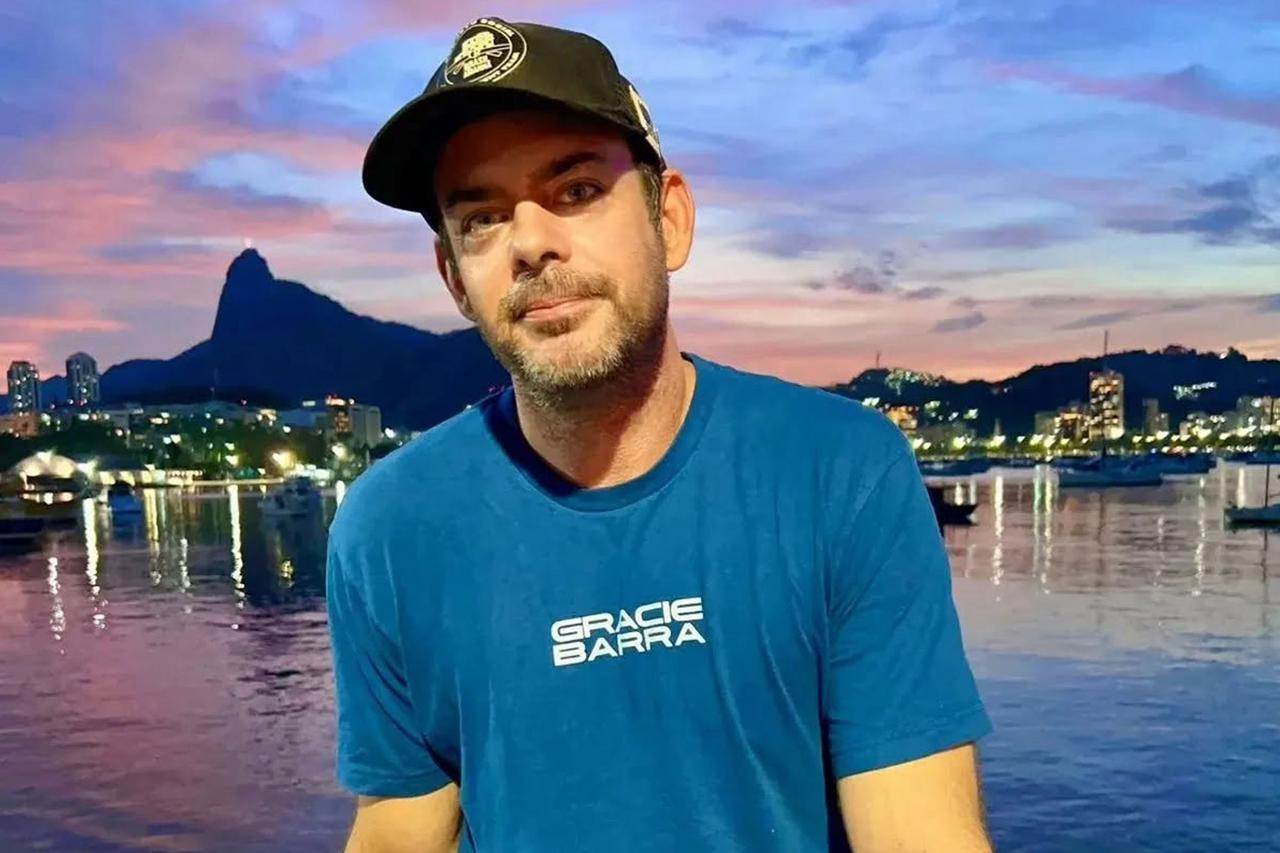
Glasco now lives in Rio de Janeiro with his wife and has remained active across gaming, emerging technology and consulting. He is a nonresident senior fellow with the Atlantic Council’s Climate Resilience Center and is also a co-founder of VREVAL, which develops collaborative case management technology through Coming Home for organizations working with victims of human trafficking and trauma.
His move to Brazil wasn’t driven by gaming. After years of navigating immigration issues in the United States, Glasco and his wife decided to make Brazil their permanent home.
“My wife is Brazilian, and after five years of dealing with immigration headaches, we decided to move to Brazil,” Glasco said.
It wasn’t an unfamiliar destination. Glasco had previously lived in Brazil for about a year and a half and had traveled there extensively before becoming a permanent resident.
“Culturally, I think there are a lot of similarities between Americans and Brazilians, so it wasn’t much of a culture shock for me,” he said.
But his experience living inside the country, combined with more than two decades in game development, has given Glasco a firsthand view of a Brazilian gaming ecosystem that has changed considerably.
A growing development community
Brazil has long had an enormous audience for video games. Turning that enthusiasm into a thriving domestic development industry, however, has historically been more difficult.
“Brazil’s biggest struggle in the game industry has historically been economic, so a lot of developers have ended up finding work outside of Brazil,” Glasco said.
That’s beginning to change.
“We have ten times the amount of studios here in Brazil than we did ten years ago,” he said. “There’s a pretty significant pool of artists, designers, and engineers here.”
Glasco said another important shift has been the growth of English proficiency among Brazilian game developers.
“The vast majority of game developers you’ll meet here can speak conversational English at a minimum,” he said.
For companies operating on the East Coast of the United States, geography provides another advantage. Depending on the time of year and location, teams in Brazil can work within a relatively small time difference from their U.S. counterparts.
“It’s honestly not going to be much different than working with remote developers within the U.S., as long as their English competency is strong,” Glasco said. “Especially if you’re based in EST, they’ll only be one or two hours ahead of you.”
A changing game industry
The expansion of Brazil’s development community comes as Glasco sees changes happening throughout the broader game industry.
Despite helping create a franchise synonymous with AAA game development, it’s the independent development community that currently has much of his attention.
“The evolution of indie game development has been exciting,” Glasco said. “I think a lot of AAA games have gotten very stale, because the more money investors pour into a budget, the less likely developers are to take risks.”
That pressure, he believes, has created an opening for smaller teams and individual developers willing to experiment.
“As a result, we’re seeing a lot of innovation coming out of the indie game scene,” Glasco said.
The barrier to becoming a game developer has also changed dramatically since Glasco entered the industry.
When he graduated from Full Sail more than 25 years ago, entering professional game development typically required specialized education, access to expensive technology and proximity to established studios.
Today, many of those barriers have been reduced.
“Game development education is now widely available for free online, so more people are getting into game development,” Glasco said.
That democratization has implications for emerging development communities around the world, including Brazil, where aspiring developers no longer need to be located near one of the industry’s traditional centers to begin developing professional skills.
Brazil is Extraordinarily Diverse
For U.S. companies considering developers in Brazil, Glasco cautions against trying to define Brazilian workers through broad cultural assumptions.
Brazil itself is extraordinarily diverse.
“You’ve got a lot of African influence in the northern part of Brazil,” Glasco said. “In the south, you have German villages and a lot of Italian immigration. You’ve also got the largest population of Japanese people outside of Japan in Brazil.”
He sees similarities between that diversity and the United States.
“Both countries are cultural melting pots made up of immigrants from all over the world, so in many ways, it’s difficult to generalize what Brazilians are like, just as it’s difficult to generalize what an American is like,” Glasco said.
What increasingly connects developers across those borders is the work itself.
Modern game development has become international. Artists, engineers, designers and other specialists can collaborate on the same project without occupying the same building or even the same country.
For companies willing to expand where they look for those people, Brazil offers an increasingly mature pool of game development talent working within time zones conducive to collaboration with U.S. teams.
For Glasco, Brazil’s opportunity ultimately comes down to something simpler than geography.
The talent is already there.
“There’s a pretty significant pool of artists, designers, and engineers here,” he said.
For U.S. game studios looking for where their next developers might come from, Brazil is becoming increasingly difficult to overlook.